Educational consulting and strategies for mental success. Family owned since 2016. Get to know more about mindfulness and mental wellness here, welcome to our blog!
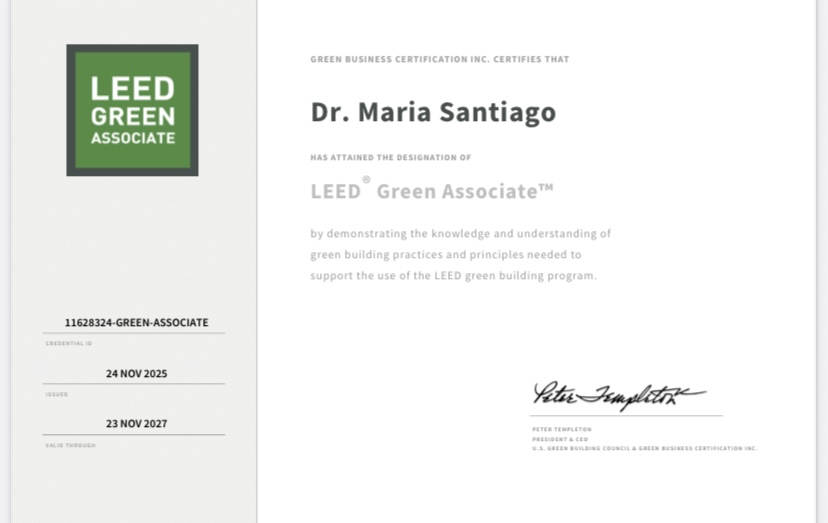
Becoming a LEED Green Associate is an essential step for professionals dedicated to advancing sustainability and environmental stewardship in building and community design. This credential demonstrates a thorough understanding of green building principles and energy-efficient practices recognized globally.
Earning the LEED Green Associate credential involves studying LEED concepts, passing a comprehensive exam, and committing to continual learning in sustainable solutions.
Congratulations to Dr. Maria Santiago Valentin, principal consultant at Calm and Mindful LLC, for achieving this significant milestone and leading by example in sustainability and wellness.
Calm and Mindful LLC: Researching with Purpose to Strengthen Education
In 2024, Calm and Mindful LLC embarked on a transformative research initiative that addressed one of the most pressing challenges in American education: the nationwide STEM educator workforce shortage. Guided by a qualitative methodology rooted in empathy, collaboration, and data-informed reflection, the organization examined not only the structural gaps behind this shortage but also the lived experiences of educators navigating increasingly complex classroom demands.
The research team at Calm and Mindful LLC believed that understanding human stories was essential to uncovering sustainable solutions. Through in-depth interviews, focus groups, and case studies across diverse school districts in neighboring states, they uncovered patterns of burnout, inequitable access to professional development, and insufficient integration between mental health support and instructional expectations. Rather than viewing these themes as barriers, the study framed them as opportunities for systemic renewal and educator empowerment.
This qualitative inquiry inspired an action model that bridged educational leadership, mindfulness practices, and workforce sustainability. By incorporating educator wellness and social-emotional learning into recruitment and retention frameworks, Calm and Mindful LLC positioned wellbeing as both an ethical responsibility and a strategic necessity. The resulting policy recommendations—developed collaboratively with school administrators, teacher preparation programs, and community organizations—emphasized mentorship, reflective practice, and inclusive professional ecosystems.
What made this work humbling was its alignment with the voices of those most affected. Each narrative gathered during the research became a cornerstone for advocacy and reform. Teachers who once felt unseen discovered new pathways toward purpose; schools facing chronic turnover began to cultivate environments of resilience and belonging.
Calm and Mindful LLC’s approach reaffirmed that sustainable educational advancement begins with honoring the humanity behind the data. By weaving mindfulness, equity, and systems thinking into qualitative research, the organization modeled how thoughtful inquiry can shape both hearts and policies. Their work continues to demonstrate that when compassion meets evidence, even the toughest challenges in education can be transformed into opportunities for collective growth and renewal.
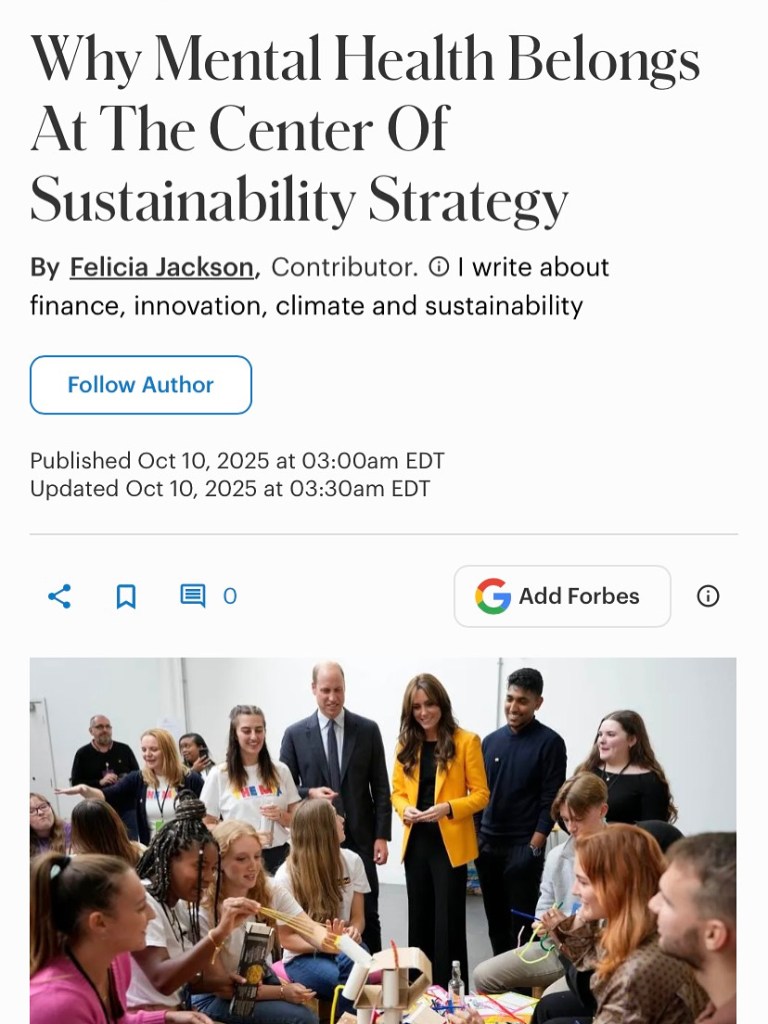
National and business trends in 2025 are increasingly emphasizing the integration of mental health into sustainability strategies and workplace wellbeing, supporting the intersection of mindfulness and broader social impact promoted by Calm and Mindful LLC.
Leading organizations now view workforce wellbeing as a strategic priority integral to corporate governance and culture, not just a reactive effort. They embed mental health initiatives into policies, leadership training, and daily workflows, reflecting a holistic approach that addresses employees as whole individuals, including brain health, social connection, and recovery. Flexible work arrangements, mental health days, and supportive workplace environments are becoming standard to boost employee engagement and sustainable productivity.
The rising costs of healthcare, especially behavioral health claims, are pushing employers to adopt proactive, accessible, and financially sustainable mental health benefits. This includes incorporating therapy and coaching services, which are now viewed as essential workplace benefits. Companies are also leveraging data-driven wellbeing programs to replace guesswork with targeted support that improves long-term outcomes.
These trends align strongly with the mission of Calm and Mindful LLC, which integrates mindfulness practices with sustainable social impact through education and consulting. By promoting mental health as part of sustainability and wellbeing, Calm and Mindful LLC positions itself at the forefront of workplace transformation that values human-centered, preventative, and science-backed approaches that increase overall workforce resilience and performance.
Calm and Mindful LLC can highlight these trends in its messaging to underscore its value as a partner helping organizations implement these cutting-edge mental health and sustainability strategies, thus attracting more clients seeking holistic wellness solutions rooted in mindfulness and social impact.
This integration of mental health into sustainable business practices reflects a future-ready model where mindful wellbeing is key to organizational success and community health.
The reconnection between environment, climate, and learning is at the heart of transforming sustainability education for today’s dynamic world. Experiential learning initiatives, like the Sustainability and Climate Applied Learning (SCALe) program at Duke University, show how hands-on projects can help students grasp the interconnectedness of ecosystems, resource management, and innovation, resulting in measurable impacts on campus sustainability. Effective climate change education fosters problem-solving, critical thinking, and collaboration—skills crucial for addressing multidimensional environmental challenges and advancing social progress.
Education for sustainability is increasingly recognized as key to empowering communities to generate relevant solutions and drive positive change. The integration of climate topics in classrooms and podcasts builds awareness and motivation, motivating learners to act for their planet. Influential digital platforms like bilingual podcasts are spearheading this movement.
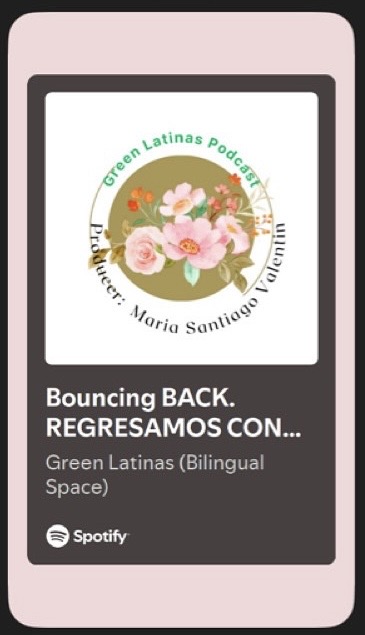
The Green Latinas Bilingual podcast exemplifies this intersection: its episodes spotlight environmental justice, climate advocacy, and inclusive learning, creating space for multicultural dialogue and amplifying diverse voices. With its comeback, Green Latinas is celebrated for bringing critical conversations to both Spanish- and English-speaking audiences, inspiring Latinas to lead climate innovation and champion sustainable development through culturally relevant storytelling.
By revitalizing Green Latinas, the podcast positions itself at the convergence of education, climate action, and sustainability, celebrating Latina contributions and fostering collective resilience. As more podcasts and educational initiatives highlight the intersection of learning and climate, communities are empowered to shape informed, sustainable futures for all.

 Calm and Mindful, LLC