Our Forte: Qualitative Methods Inquiry


Calm and Mindful LLC: Researching with Purpose to Strengthen Education

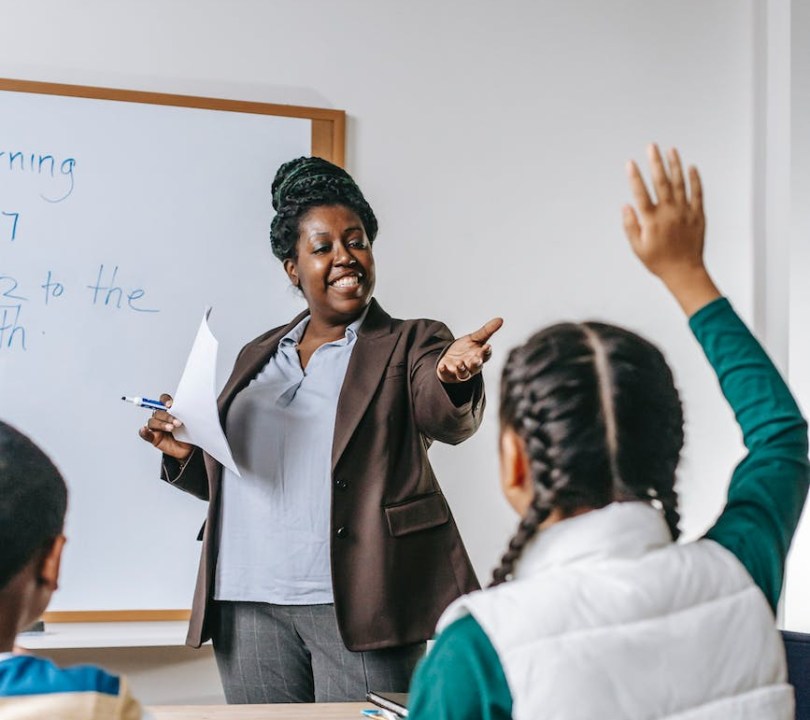
In 2024, Calm and Mindful LLC embarked on a transformative research initiative that addressed one of the most pressing challenges in American education: the nationwide STEM educator workforce shortage. Guided by a qualitative methodology rooted in empathy, collaboration, and data-informed reflection, the organization examined not only the structural gaps behind this shortage but also the lived experiences of educators navigating increasingly complex classroom demands.

The research team at Calm and Mindful LLC believed that understanding human stories was essential to uncovering sustainable solutions. Through in-depth interviews, focus groups, and case studies across diverse school districts in neighboring states, they uncovered patterns of burnout, inequitable access to professional development, and insufficient integration between mental health support and instructional expectations. Rather than viewing these themes as barriers, the study framed them as opportunities for systemic renewal and educator empowerment.

This qualitative inquiry inspired an action model that bridged educational leadership, mindfulness practices, and workforce sustainability. By incorporating educator wellness and social-emotional learning into recruitment and retention frameworks, Calm and Mindful LLC positioned wellbeing as both an ethical responsibility and a strategic necessity. The resulting policy recommendations—developed collaboratively with school administrators, teacher preparation programs, and community organizations—emphasized mentorship, reflective practice, and inclusive professional ecosystems.

What made this work humbling was its alignment with the voices of those most affected. Each narrative gathered during the research became a cornerstone for advocacy and reform. Teachers who once felt unseen discovered new pathways toward purpose; schools facing chronic turnover began to cultivate environments of resilience and belonging.

Calm and Mindful LLC’s approach reaffirmed that sustainable educational advancement begins with honoring the humanity behind the data. By weaving mindfulness, equity, and systems thinking into qualitative research, the organization modeled how thoughtful inquiry can shape both hearts and policies. Their work continues to demonstrate that when compassion meets evidence, even the toughest challenges in education can be transformed into opportunities for collective growth and renewal.

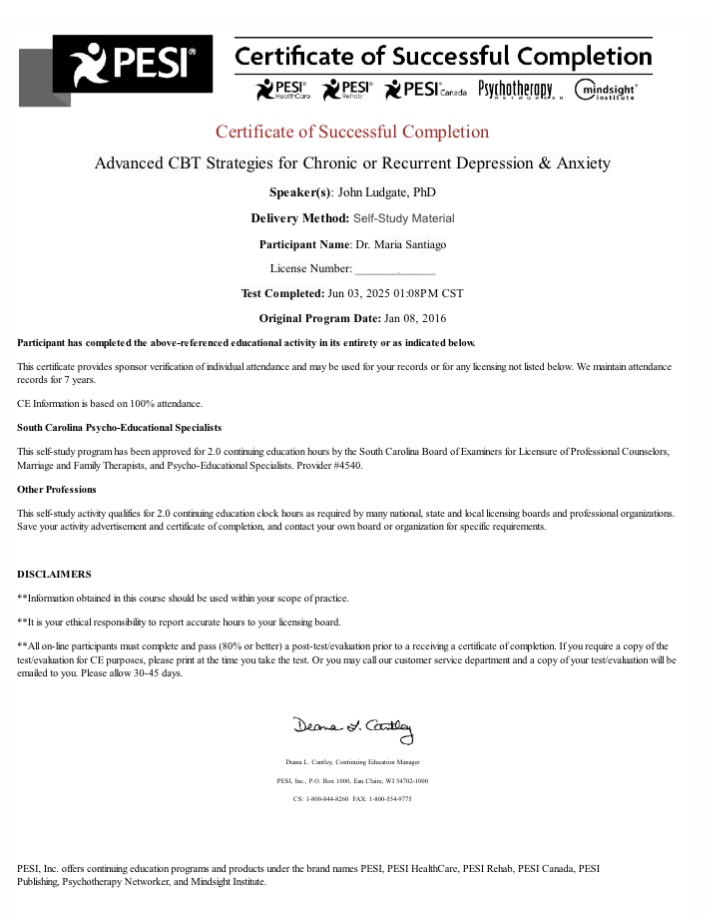
Importance of Continuing Education in CBT Strategies for Chronic and Recurrent Depression and Anxiety as a Learning Disabilities Consultant

Staying Current with Evidence-Based Practice

Continuing education in Cognitive Behavioral Therapy (CBT) is essential for professionals working with chronic and recurrent depression and anxiety, especially in the context of learning disabilities. CBT is one of the most thoroughly researched and evidence-based interventions for these conditions, offering practical, goal-oriented tools that help clients transform negative thought patterns, improve emotional regulation, and develop effective coping strategies. Staying updated through ongoing education ensures that you can deliver the latest, most effective techniques to your clients, which is critical for achieving positive outcomes.

Adapting CBT for Learning Disabilities

Individuals with learning disabilities often experience higher rates of anxiety and depression, and research shows that CBT—when appropriately adapted—can be highly effective for this population. Continuing your education allows you to:

  • Learn and apply modifications to standard CBT protocols, making them accessible for clients with varying
    cognitive and verbal abilities.
  • Understand the unique challenges faced by those with learning disabilities, such as difficulties in linking thoughts, feelings, and behaviors, and the importance of building trust and therapeutic alliance at a pace suited to their needs.
  • Stay informed about new research, techniques, and case studies that illustrate best practices for this group.

Enhancing Professional Competence and Client Outcomes

Ongoing training in CBT not only fulfills licensure requirements but also enriches your professional development, keeping your skills sharp and your knowledge base current. This commitment:

  • Enables you to tailor interventions to the specific needs of clients with learning disabilities, increasing their engagement and the likelihood of sustained improvement.
  • Equips you to address complex cases of chronic or recurrent depression and anxiety, where standard interventions may not suffice without adaptation.
  • Fosters a collaborative, supportive therapeutic environment, which is especially vital for clients with histories of trauma or mistrust of authority figures.

Continuing education is not just a regulatory necessity; it is an opportunity to connect with peers, exchange ideas, and rejuvenate your passion for helping others. It challenges you to think critically, embrace new perspectives, and bring innovative solutions back to your practice.

Continuing education can be a gift. It activates our brain to learn new information which we can bring back to our clients. It challenges us to stay up to date on the latest research and cutting edge treatment.

Screenshot

Resilience as a mental skill

To be resilient is to be exceptional. We must have the fortitude to stand tall no matter what is happening. Resilience is achieved through the consistent progress we make each day towards our goals. These goals are the benchmarks we design our life around. To live as the exceptional human being we have the potential to be, we must be willing to risk, to know when to rest and to be unafraid to be different from the rest. To be resilient we must view challenge as the catalyst that inspires our personal development. Life’s challenges will absolutely test us to our core. It can be scary. Yet, it is exactly when a challenge brings us to our knees that we cultivate our inner wisdom, our integrity and intelligence.

Entrepreneur Magazine

Resilience in today’s day and age is touted as a priceless skill. It is a skill worth developing and worth nourishing, for it provides your mind and soul with the mindful skills needed to bounce back from adversity. I have found in my personal life that resilience is a skill that is developed through hardship and trauma but can also be made stronger by conscious effort, and I won’t put it lightly – hard work.

Resilience can be developed and increased in the following ways:

  1. Self Respecting – we have to get used to not seeking approval from the outside world but listening to our inner voice and respecting that voice
  2. Driven – we have to cultivevate our inner “go-getter” personality
  3. Discerning – we must cultivate carefully our friendships and be wary of any negative energy that tries to come near us
  4. Tasteful – The resilient are wise to understanding that confidence doesn’t need for attention, it draws attention. We value the understanding of less is more. Hard work is signature to our approach to business, rather than the craving for public accolades
  5. Nurturing – Nurturing makes us someone others want to have in their lives and we inspire others to give back to us all that we give
  6. Gritty – The resilient feel stress just as anyone else does but their tough-mindedness helps them live the motto to never quit
  7. Empathy in relationships – The resilient compliment often and are wise to the benefits of genuinely making others feel valuable

Everyday circumstances and big life challenges are crucial for building the skill of resilience, and it is never too late to try to build this crucial life skill.

Three Mindfulness Practices for Back to School Anxiety

Dear Parents,

You can help your child or teen to regulate and shift their energy, for a little more focus. In a month our children will be back at school and here is a list of three practices that help them to slow down:

  1. The 7-11 Breath (Source: Dr. Christopher Willard) – Breathe in through the nose for a count of 7 seconds, hold it for 5 and breathe out for a count of eleven. Repeat 5 times.
  2. Gratitude Practice. At the end of the day, have your child share something they are grateful for. This practice can surprise you with information that you never thought of.
  3. Visit the school. Call the school and explain the purpose of your visit. Take your child/ youth to visit the school, check out the classroom, locker, lunchroom, media center, gym, etc. Rehearse the first day of school.

Mother Nature’s healing power

I go to nature to be soothed and healed, and to have my senses put in order.

quote by John Burroughs, American naturalist and essayist.

“Nature has an inherent ability to heal and restore our weary souls. Encountering the vastness of the mountains, the tranquil melody of birdsong, or the gentle touch of a breeze against our skin can transport us to a place of serenity and inner peace. In nature, we find solace, a respite from the chaos of our daily lives. The symphony of colors in a sunset, the fragrance of a blooming flower, or the rhythm of waves crashing on the shore invigorate our senses, awakening a deep sense of awe and reverence for the natural world. The healing power of nature lies not only in its ability to rejuvenate our physical and mental well-being but also in its capacity to reconnect us with our essence, reminding us of the profound interconnectedness of all living beings.”